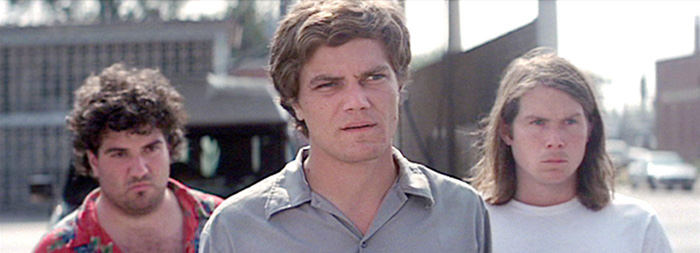
I am celebrating the great Michael Shannon this week by recommending writer-director Jeff Nichols’ Shotgun Stories. Nichols followed Shotgun Stories with Take Shelter and Mud, which together constitute his “Arkansas Trilogy”. Shotgun Stories was also the breakout film for Nichols’ favorite leading man, Shannon, who has since gone on to Boardwalk Empire, The Ice Man, 99 Homes, Frank & Lola, Nocturnal Animals (Shannon is brilliant but the movie sucks) and, of course, the current Oscar favorite, The Shape of Water.
Shotgun Stories opens with three brothers learning about the death of their no good father. He had abandoned them and their mother in poverty – and was such an indifferent father that he named his children Son, Boy and Kid. After walking away from his family, he found religion and started another, more prosperous, family with another set of three sons. The three older sons crash the funeral to express their bitterness, and it becomes clear that the two sets of brothers are headed for a clash.
Shannon plays the oldest brother, who has been forged into stony strength and determination by deprivation and long-smoldering resentment. Nichols uses that resentment to light a fuse that burns fitfully but inexorably for most of Shotgun Stories’ 92 minutes.
Shotgun Stories ranked #7 on my Best Movies of 2007. Shotgun Stories is available on DVD from Netflix and streaming from Netflix and iTunes.
Make your plans now to attend the 28th edition of Cinequest, Silicon Valley’s own major film festival. By some metrics the largest film festival in North America, Cinequest was recently voted the nation’s best by USA Today readers. The 2018 Cinequest is scheduled for February 27 through March 11 and will present almost 100 feature films and dozens of short films and virtual reality experiences from the US and over thirty other countries. And, at Cinequest, it’s easy to meet the filmmakers.
This year’s headline events include:
Celebrity appearances by William C. Macy, Andie McDowell, John Travolta, Charlie Sheen and Turner Classic Movie host Ben Mankiewicz.
Opening night film: Macy presents his new comedy Krystal, co-starring Rosario Dawson;
Closing night film: Brothers in Arms, a documentary on the making of Platoon, co-presented by the narrator, Sheen.
New movies with Peter Fonda, Burt Reynolds, Jon Hamm, Marion Cotillard, Hilary Swank, Piper Laurie, Rosamund Pike, Stanley Tucci, Melissa Leo, Kiefer Sutherland, Kal Penn, Robert Forster, Mathieu Amalric, Charlotte Gainsbourg, James McAvoy, Alicia Vikander and Michael Shannon.
New movies by directors Wim Wenders, Arnaud Desplechin, Melanie Mayron, Jan Sverak (Kolya) and Tony Gilroy.
The silent The Wind with Lillian Gish, projected in a period movie palace, the California Theatre, accompanied by world-renowned Dennis James on the Mighty Wurlitzer organ.
This year, Cinequest presents 74 world premieres and will host over 800 artists from over thirty countries.
The renovation of the old Camera 3 Theater into 3Below Theaters & Lounge means that Cinequest will regain its Downtown San Jose vibe, with concurrent screenings at the 1122-seat California, the 550-seat Hammer and the 257-seat 3Below, all within 1600 feet of the VIP lounge at The Continental Bar. There will still be satellite viewing in Redwood City.
3Below has lost Camera 3’s middle aisle and replaced all the seats. The decor is sharp, and they’ve added a movable stage for performances, lectures and Q&As. The once notorious restrooms are remarkably clean (and no longer accessible from the neighboring parking garage, so they have a chance to stay that way).
At Cinequest, you can get a festival pass for as little as $165, and you can get individual tickets as well. The express pass for an additional tax-deductible $100 is a fantastic deal – you get to skip to the front of the lines!
Take a look at the entire program, the schedule and the passes and tickets. (If you want to support Silicon Valley’s most important cinema event while skipping the lines, the tax-deductible $100 donation for Express Line Access is an awesome deal.)
As usual, I’ll be covering Cinequest rigorously with features and movie recommendations. I usually screen (and write about) over thirty films from around the world. Bookmark my Cinequest 2018 page, with links to all my coverage (links on the individual movies will start to go live on Sunday February 25). Follow me on Twitter for the latest.
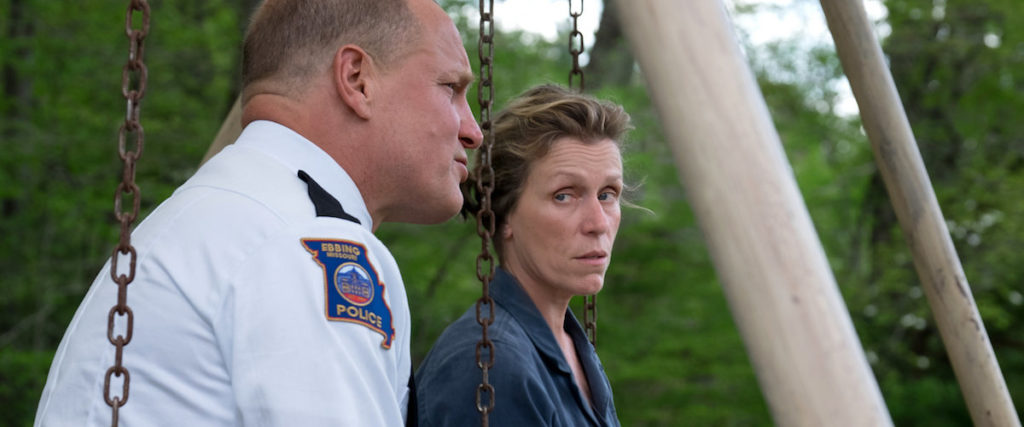
Woody Harrelson and Frances McDormand in THREE BILLBOARDS OUTSIDE EBBING, MISSOURI
You have two more weeks to binge the Oscar-nominated movies. ( I’ve also written If I Picked the Oscars – before the nominations were announced.) These first two movies are, deservedly, the Oscar favorites:
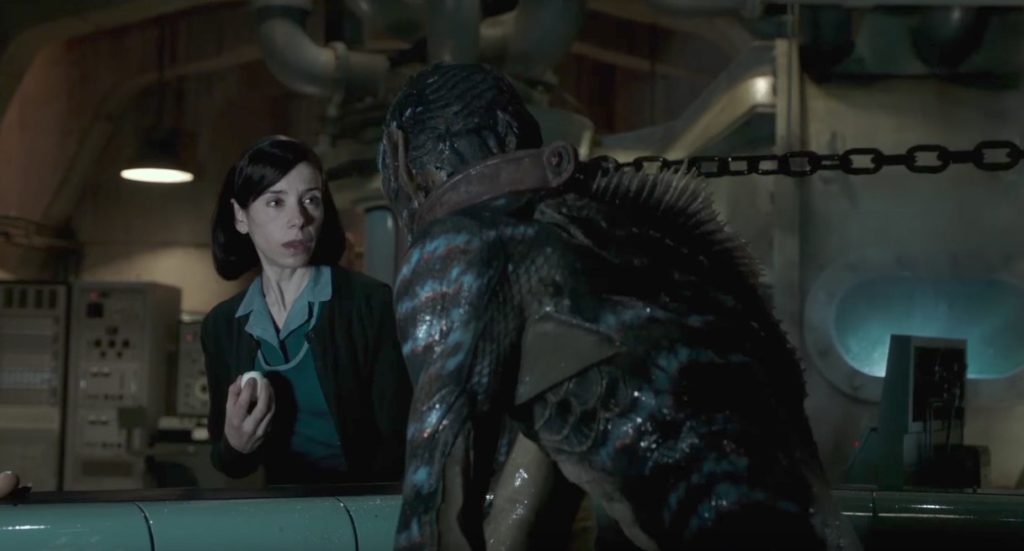
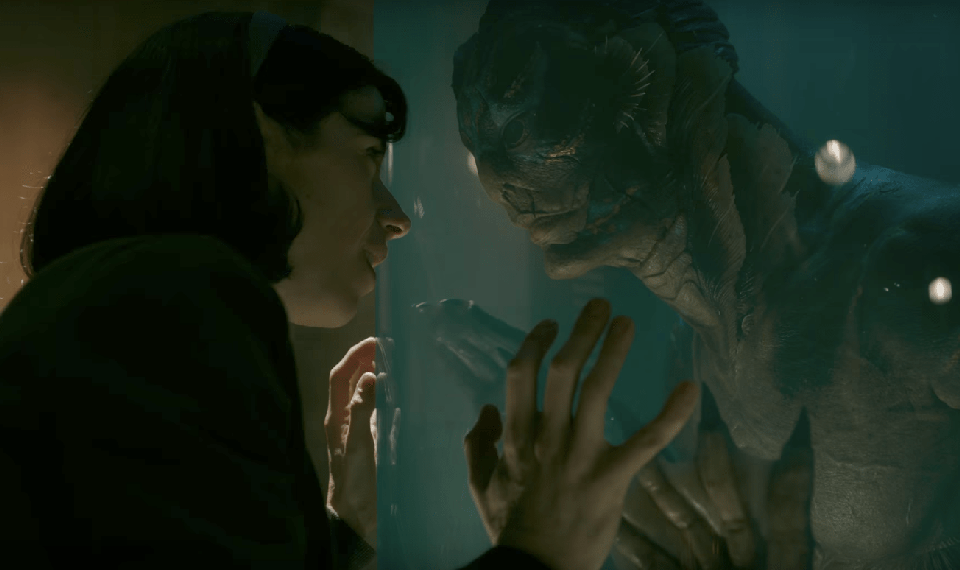
The Shape of Water, Guillermo del Toro’s imaginative, operatic inter-species romance may become the most-remembered film of 2017.
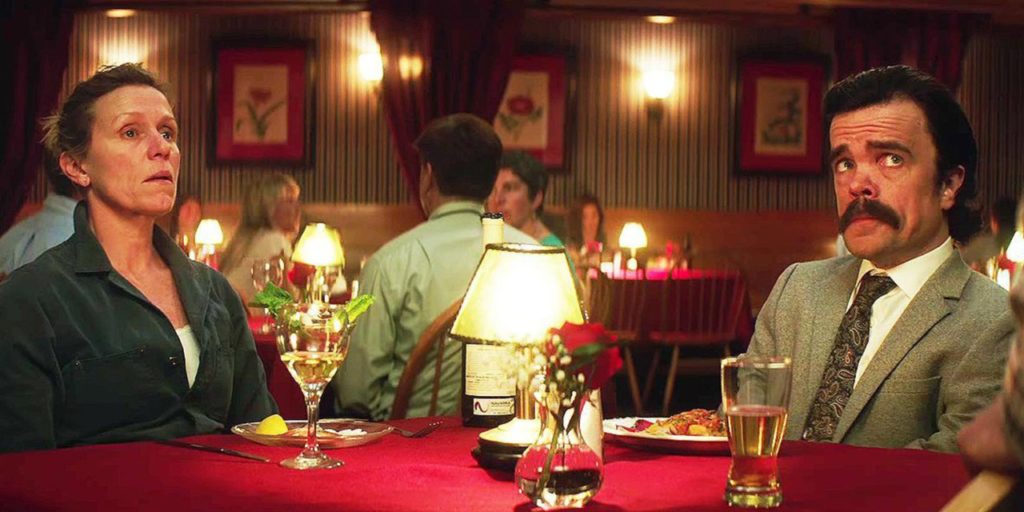
Three Billboards Outside Ebbing, Missouri a powerful combination of raw emotion and dark hilarity with an acting tour de force from Frances McDormand and a slew of great actors.
Steven Spielberg’s docudrama on the Pentagon Papers, The Post, is both a riveting thriller and an astonishingly insightful portrait of Katharine Graham by Meryl Streep. It’s one of the best movies of the year – and one of the most important. Also see my notes on historical figures in The Post.
Pixar’s Coco is a moving and authentic dive into Mexican culture, and it’s visually spectacular.
Lady Bird , an entirely fresh coming of age comedy that explores the mother-daughter relationship – an impressive debut for Greta Gerwig as a writer and director.
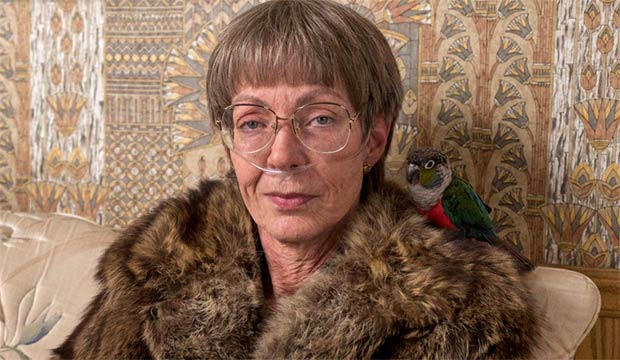
I, Tonya is a marvelously entertaining movie, filled with wicked wit and sympathetic social comment.
Alison Janney in I, TONYA
Here’s the rest of my Best Movies of 2017 – So Far. Most of the ones from earlier this year are available on video. Here’s aniother current choice:
Call Me By Your Name is an extraordinarily beautiful story of sexual awakening set in a luscious Italian summer, but I didn’t buy the impossibly cool parents or the two pop ballad musical interludes.
My DVD/Stream of the Week is the funny and sentimental Canadian dramedy Cloudburst, pairing Oscar-winning actresses Olympia Dukakis (Moonstruck) and Brenda Fricker (My Left Foot) as lesbian life partners of many decades. Cloudburst was an indie hit in Canadian theaters, but was purchased by Lifetime and didn’t get a theatrical release in the US. Happily, it’s available on DVD from Netflix and streaming from Netflix, Amazon Instant Video , iTunes, Vudu and Xbox Video.
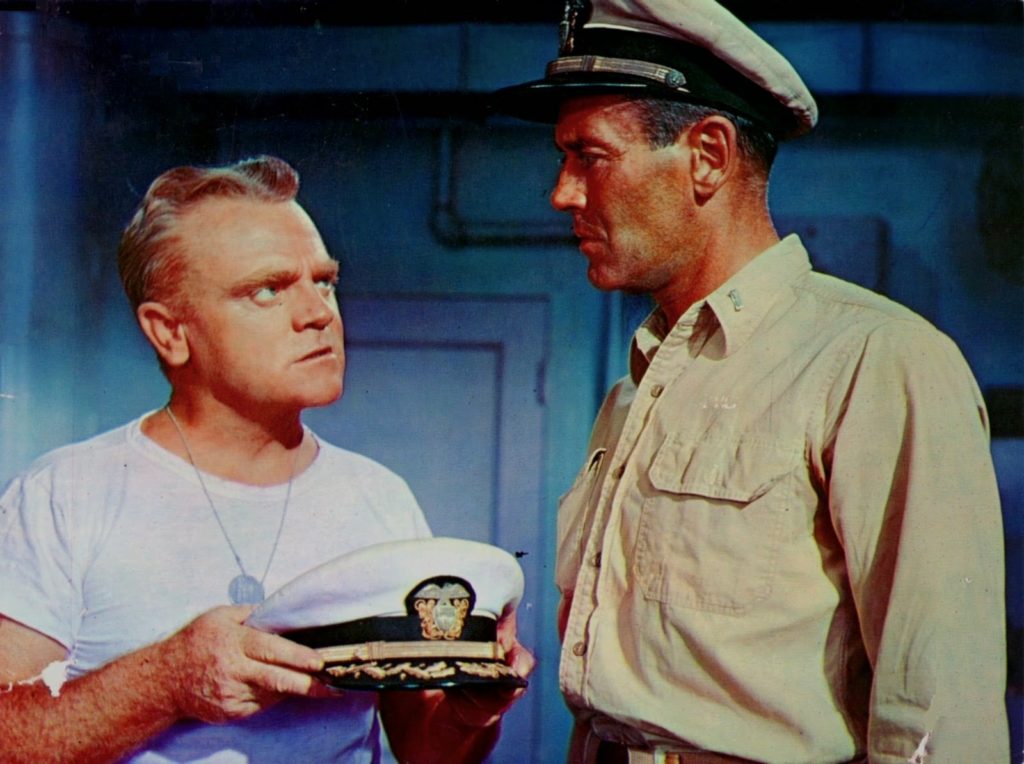
There are plenty of good movie choices on TV this week because Turner Classic Movies is in the midst of its 31 Days of Oscars. I’m suggesting that, on February 18, you DVR Henry Fonda at his most appealing in the subversive WW II comedy Mister Roberts. (Yes, I’m using “DVR” as a verb.) Fonda gets to play off of James Cagney, William Powell and Jack Lemmon.
The funny and sentimental Canadian dramedy Cloudburst pairs Oscar-winning actresses Olympia Dukakis (Moonstruck) and Brenda Fricker (My Left Foot) as lesbian life partners of many decades. Because they live in Maine before the legalization of same-sex marriage there, their union is not legally recognized. The sweet-tempered Dotty (Fricker) is visually-impaired and becoming more and more infirm. Her partner Stella (Dukakis) is irascible and enjoys a startlingly vulgar vocabulary. The pair is separated when Dotty’s granddaughter moves Dotty into a convalescent home over Stella’s objection. Stella rescues Dotty and spirits the two of them off to get legally married in Nova Scotia. On the run from Maine authorities, they pick up a feckless young guy (Ryan Doucette) and head off on a very funny, and sometimes dangerous, road trip.
Cloudburst is directed and written by Thom Fitzgerald from his own play. Fitzgerald has written wonderful characters for Dukakis and Fricker to play, and their performances are superb. Surprisingly, this is the first lead role for the 68-year-old Fricker.
Cloudburst was an indie hit in Canadian theaters, but was purchased by Lifetime and didn’t get a theatrical release in the US. That’s a shame, because I think that Cloudburst could have become an art house hit like The Best Exotic Marigold Hotel. It’s a crowd pleaser.
Cloudburst is available on DVD from Netflix and streaming from Netflix, Amazon Instant Video , iTunes, Vudu and Xbox Video.
It’s February, and here’s the good news: this is when you can binge the Oscar-nominated movies. Here’s the bad news: this is when movie distributors hold their noses and slip the really bad new movies into theaters. So binge away on the best of the year. ( I’ve also written If I Picked the Oscars – before the nominations were announced.) The first two are, deservedly, the Oscar favorites:
The Shape of Water, Guillermo del Toro’s imaginative, operatic inter-species romance may become the most-remembered film of 2017.
Three Billboards Outside Ebbing, Missouri a powerful combination of raw emotion and dark hilarity with an acting tour de force from Frances McDormand and a slew of great actors.
Steven Spielberg’s docudrama on the Pentagon Papers, The Post, is both a riveting thriller and an astonishingly insightful portrait of Katharine Graham by Meryl Streep. It’s one of the best movies of the year – and one of the most important. Also see my notes on historical figures in The Post.
Pixar’s Coco is a moving and authentic dive into Mexican culture, and it’s visually spectacular.
Lady Bird , an entirely fresh coming of age comedy that explores the mother-daughter relationship – an impressive debut for Greta Gerwig as a writer and director.
I, Tonya is a marvelously entertaining movie, filled with wicked wit and sympathetic social comment.
Phantom Thread, starring Daniel Day-Lewis, is Paul Thomas Anderson’s rapturously beautiful story of a strong-willed man and two equally strong-willed women; unexpectedly witty.
The Florida Project is Sean Baker’s remarkably authentic and evocative glimpse into the lives of children in poverty, full of the exuberance of childhood.
Darkest Hour, Gary Oldman brings alive Winston Churchill in an overlooked historical moment – when it looked like Hitler was going to win WW II.
Frances McDormand and Peter Dinklage in THREE BILLBOARDS OUTSIDE EBBING, MISSOURI
Here’s the rest of my Best Movies of 2017 – So Far. Most of the ones from earlier this year are available on video. Other current choices:
The Disaster Artist, James Franco’s hilarious docucomedy about the making of one of the most unintentionally funny movies of all time.
The Final Year, a wistful inside documentary about the Obama Admistration’s foreign policy during his last year.
Call Me By Your Name is an extraordinarily beautiful story of sexual awakening set in a luscious Italian summer, but I didn’t buy the impossibly cool parents or the two pop ballad musical interludes.
My Stream of the Week is the riveting psychodrama Phoenix, with its superb performance by Nina Hoss and its WOWZER ending. Phoenix was one of my Best Movies of 2015. It is available to stream from Netflix Instant, Amazon Video, YouTube and Google Play.
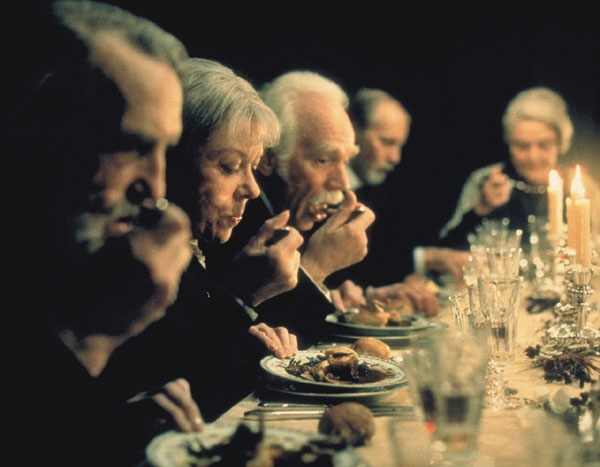
On February 13, Turner Classic Movies presents Babette’s Feast (1987), one of my Best Foodie Movies. Two aged 19th century Danish spinster sisters have taken in a French refugee as their housekeeper. The sisters carry on their father’s severe religious sect, which rejects earthly pleasures. After fourteen years, the housekeeper wins the lottery and, in gratitude, spends all her winnings on the ingredients for a banquet that she prepares for the sisters and their friends. As the dinner builds, the colors of the film become warmer and brighter, reflecting the sheer carnality of the repast. The smugly ascetic and humorless guests become less and less able to resist pleasure of the epicurean delights.The feast’s visual highlights are Caille en Sarcophage avec Sauce Perigourdine (quail in puff pastry shell with foie gras and truffle sauce) and Savarin au Rhum avec des Figues et Fruit Glacée (rum sponge cake with figs and glacéed fruits). This was the first Danish film to win Best Foreign Language Oscar.
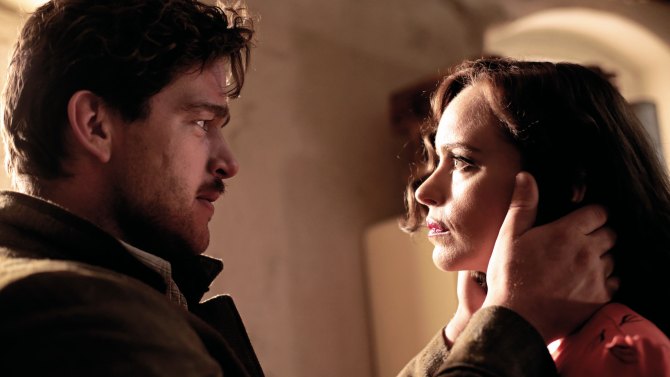
In the German psychological drama Phoenix, Nina Hoss plays Nelly, an Auschwitz survivor whose face has been destroyed by a Nazi gunshot; her sister has arranged for plastic surgery to reconstruct her face. When Nelly gets her new face, we accompany her on an intense quest.
Writer-director Christian Petzhold is an economical story-teller, respectful of the audience’s intelligence. Watching a border guard’s reaction to her disfigurement and hearing snippets from the sister and the plastic surgeon, we gradually piece together her back story. The doctor asks what seems like a very good question – Why would a Jewish woman successfully rooted in London return to Germany in 1938? The answer to that question involves a Woman Loving Too Much.
The sister plans to re-settle both of them in Israel, but Nelly is obsessed with finding her husband. She does find her husband, who firmly believes that Nelly is dead. But he notes that the post-surgery Nelly resembles his pre-war wife, and he has a reason to have her impersonate the real Nelly. So he has the real Nelly (who he doesn’t think IS the real Nelly) pretending to be herself. It’s kind of a reverse version of The Return of Martin Guerre.
It’s the ultimate masquerade. How would you feel while listening to your spouse describe you in detail to a stranger?
Nina Hoss is an uncommonly gifted actress. Here she acts with her face fully bandaged for the first third of the film. We ache for her Nelly’s obsessive need for her husband – and when she finally finds him, she still doesn’t really have him.
As the husband, Ronald Zehfeld shows us the magnetism that attracts Nina, along with the brusque purposefulness that he thinks he needs to survive and flourish in the post-war Germany.
Christian Petzold and Nina Hoss collaborated on the recent film Barbara (he won the Berlin Film Festival’s Silver Bear for his work). About Barbara, I wrote
“Given that’s it difficult to imagine how anyone else could have improved Barbara, I’ll be looking for Petzold’s next movie.”
Well, here it is, and it’s gripping.
The ending of the film is both surprising and satisfying. Several people in my audience let out an audible “Wow!” at the same time.
Phoenix was one of my Best Movies of 2015. It is available to stream from Netflix Instant, Amazon Video, YouTube and Google Play.
The Oscar nominations are out, and I recommend some (not all) of the nominated films. I’ve also written If I Picked the Oscars – before the nominations were announced. The best movies of the year are in theaters right now, and here are the very best:
Steven Spielberg’s docudrama on the Pentagon Papers, The Post, is both a riveting thriller and an astonishingly insightful portrait of Katharine Graham by Meryl Streep. It’s one of the best movies of the year – and one of the most important. Also see my notes on historical figures in The Post.
Pixar’s Coco is a moving and authentic dive into Mexican culture, and it’s visually spectacular.
The Shape of Water, Guillermo del Toro’s imaginative, operatic inter-species romance may become the most-remembered film of 2017.
Lady Bird , an entirely fresh coming of age comedy that explores the mother-daughter relationship – an impressive debut for Greta Gerwig as a writer and director.
Three Billboards Outside Ebbing, Missouri a powerful combination of raw emotion and dark hilarity with an acting tour de force from Frances McDormand and a slew of great actors.
I, Tonya is a marvelously entertaining movie, filled with wicked wit and sympathetic social comment.
Phantom Thread, starring Daniel Day-Lewis, is Paul Thomas Anderson’s rapturously beautiful story of a strong-willed man and two equally strong-willed women; unexpectedly witty.
The Florida Project is Sean Baker’s remarkably authentic and evocative glimpse into the lives of children in poverty, full of the exuberance of childhood.
Darkest Hour, Gary Oldman brings alive Winston Churchill in an overlooked historical moment – when it looked like Hitler was going to win WW II.
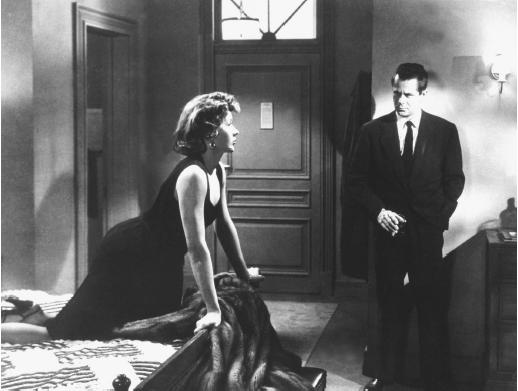
Don’t forget what is sure to be one of the best Bay Area cinema experiences of 2018 – the Noir City festival of film noir in San Francisco. Don’t miss out on Noir City’s bang up final weekend, with The Man Who Cheated Himself,Roadblock, The Big Heat and wickedly trashy Beverly Michaels in Wicked Woman.
Gloria Grahame and Glenn Ford in THE BIG HEAT
Here’s the rest of my Best Movies of 2017 – So Far. Most of the ones from earlier this year are available on video.
Other current choices:
The Disaster Artist, James Franco’s hilarious docucomedy about the making of one of the most unintentionally funny movies of all time.
Diane Kruger’s award-wining performance in the German thriller In the Fade.
The Final Year, a wistful inside documentary about the Obama Admistration’s foreign policy during his last year.
Call Me By Your Name is an extraordinarily beautiful story of sexual awakening set in a luscious Italian summer, but I didn’t buy the impossibly cool parents or the two pop ballad musical interludes.
In a tribute to Noir City, my DVD of the Week is I Wake Up Screaming, an early noir with a groundbreaking performance by the tragic Laird Cregar. I Wake Up Screaming plays occasionally on Turner Classic Movies. The DVD is available with a Netflix subscription, or you can buy it from Amazon. I Wake Up Screaming is on my list of Overlooked Noir.
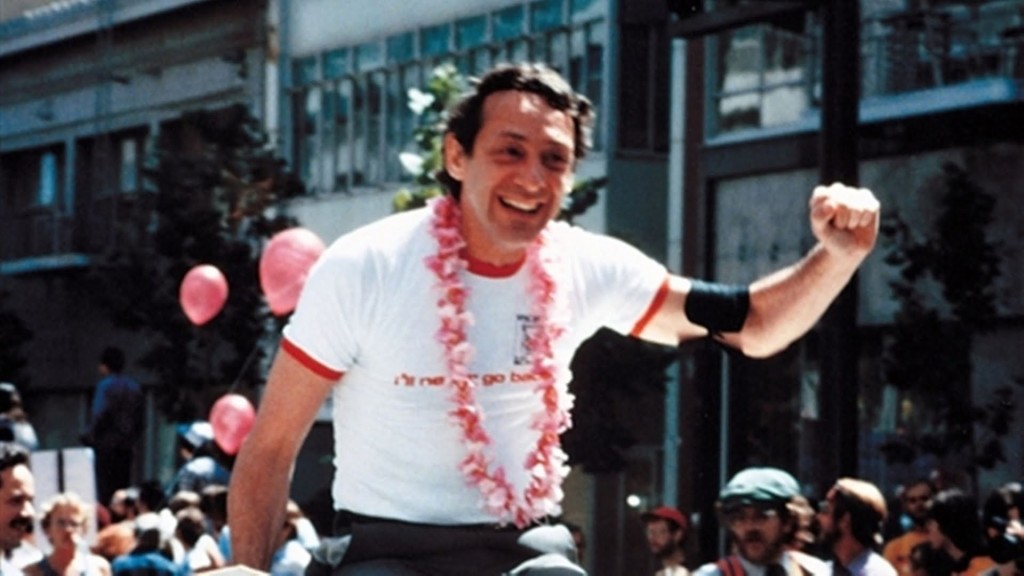
On February 5, Turner Classic Movies airs one of the greatest political movies of all time – The Times of Harvey Milk, the documentary Oscar winner from 1984. It’s the real story behind the 2008 Sean Penn narrative Milk – and with the original witnesses. If you pay attention, The Times of Harvey Milk can teach you everything from how to win a local campaign to how to build a societal movement. One of the best political movies ever. And watch for the dog poop scene!
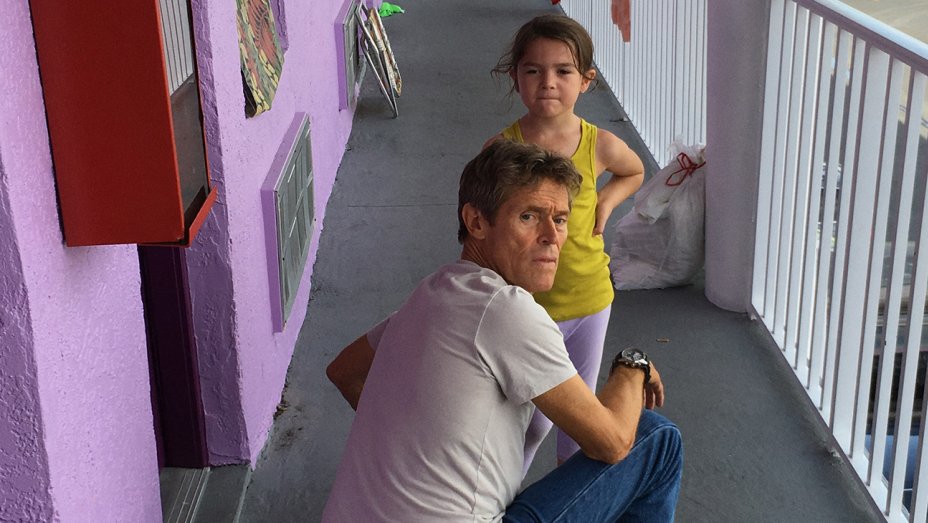
Willem Dafoe and Brooklynn Prince in THE FLORIDA PROJECT
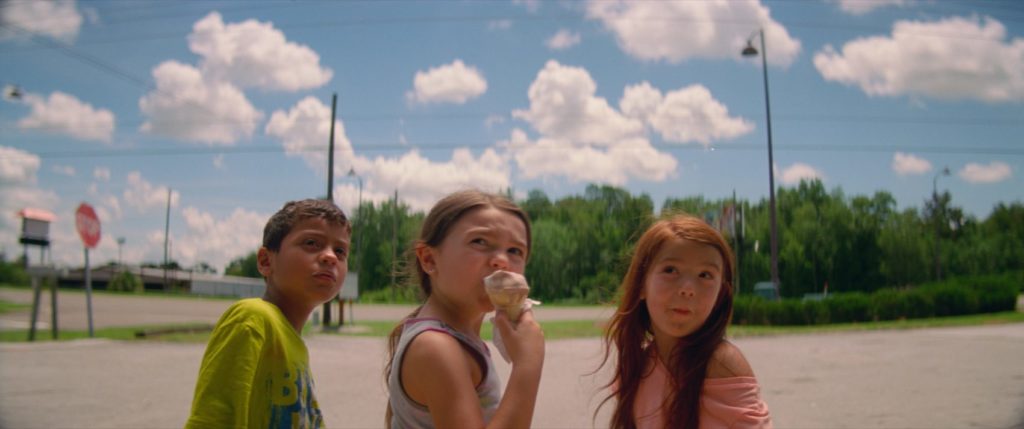
The gripping and searingly authentic drama The Florida Project centers in the plight of six-year-olds living in a poverty motel in Orlando, Florida. These are what we used to call “latchkey kids” – children unsupervised and essentially feral because their parents are focused on economic survival.
The parents, moored in multi-generational poverty and mostly classified as the working poor, understand that this situation is not ideal for the kids. All the parents love their kids, and most take extra steps to protect them and to raise them with the right values. These are people who are forced into unappealing choices – working multiple minimum wage jobs and leaving kids at home because they can’t access childcare, and even relocating and uprooting their kids from their friends and familiar environments.
These families are living literally in the shadow of Disney World, where tens of thousands of families are paying for $100 theme park tickets and $200 hotel rooms; the residents of the The Florida Project’s Magic Kingdom motel are paying $35 per night and can’t afford ice cream for their kids.
The kids are on their own to express their exuberance, curiosity and mischief. Some of their misadventures are innocent and harmless, but some range to the very dangerous. We see the kids’ moral compasses being forged, often not along the best axis. Even the local Motel Row traffic is scary. The sketchy environs, with the anonymous transience of the tourists and with some of the locals in the criminal class, is even more foreboding. For most of each day, the only responsible and caring adult is the beleaguered motel manager, Bobby (Willem Dafoe – great in this movie). Here’s the effect on the audience – we enjoy the kids’ joy in play and exploration, but worry, along with Bobby, about their safety.
Brooklynn Prince (center) in THE FLORIDA PROJECT
The ringleader of the kid is the highly spirited Moonee. Moonee is perfectly played by Brooklynn Prince, a very talented and charismatic child actor.
The smart and charming Moonee’s disadvantage is her Mom, Hallee (Bria Vinaite) – a tattooed and pierced woman in her early twenties. Hallee is as immature as Moonee, and is basically a walking bundle of Bad Choices. She has a terrible, irresponsible and entitled attitude, and always does things the easiest way in the short-term, regardless of legality or long-term consequence. Hallee knows that she’s one more arrest from having Moonee taken away. The term “unfit mother” has come to seem quaint – but not here, where the audience eventually starts begging for child welfare officials to rescue Moonee from her Mom.
The Florida Project was written, directed and edited by Sean Baker, who most recently made Tangerine, the movie he shot entirely on an iPhone (and you can’t tell). In both The Florida Project and Tangerine, Baker uses first-time actors to tell a character-driven story about marginalized people. Baker found Bria Vinaite, the non-actor who plays Hallee on Instagram. It’s also the first screen credit for Mela Murder, who plays Ashley, a mom who is perceptive enough to ascertain that her son needs to disassociate from his best friend Moonee because of Hallee’s influence.
One of the minor beauties of The Florida Project is the whimsy of roadside vernacular architecture in Orlando, the tourist-hustling commercial buildings from the 1940s-1970s built as castles, ships, dogs and the like.
The Florida Project is close to a perfect movie, but not quite there. Baker did edit his own movie, and one hour, 51 minutes is a little too long for this story. And, two months after seeing the movie, I’m still not sure what I think about the controversial ending. The movie has the feel of cinéma vérité until it doesn’t, when the audience is jarred by a sudden plunge into magical realism. Unlike some viewers and critics, I thought that the ending did have a truthful consistency with the preceding story; but there’s no doubt that the abrupt change in tone pulls the audience out of being immersed in the story.
Still, The Florida Project is a Must See for its emotional power and its uncommonly authentic dive into an oft-ignored subculture. As Willy Loman’s wife says in The Death of a Salesman, attention must be paid.
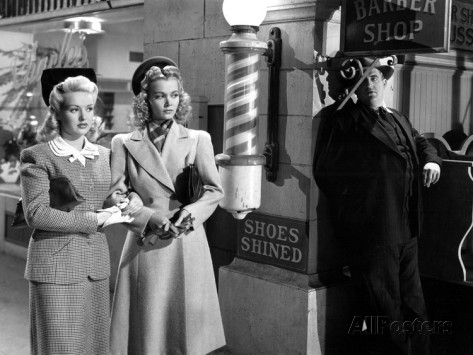
Betty Grable, Carol Landis and Laird Cregar in I WAKE UP SCREAMING
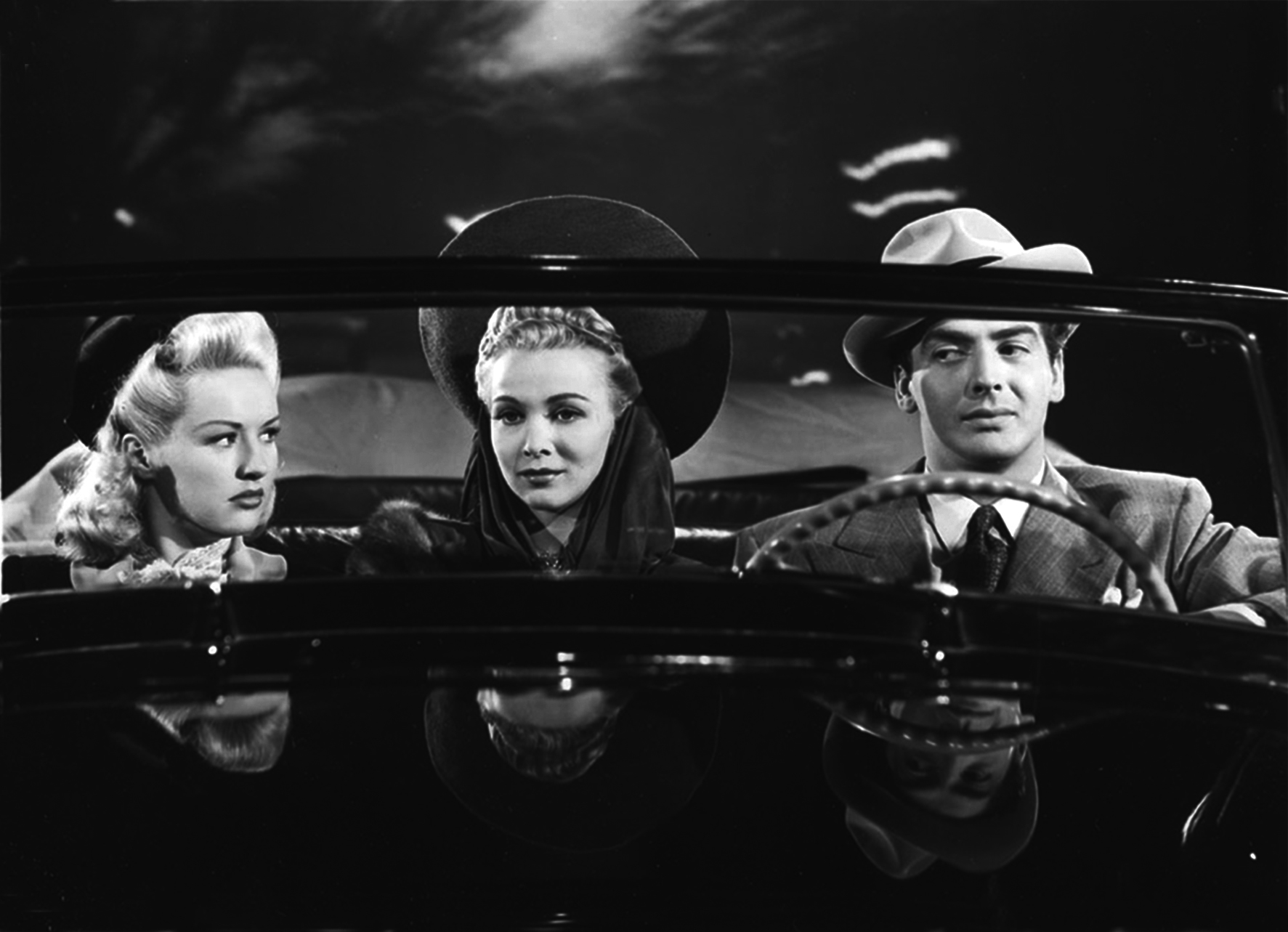
As a tribute to the Noir City festival of film noir in San Francisco, my DVD of the Week was just featured at Noir City. In I Wake Up Screaming, the promoter Frankie (Victor Mature) discovers the hardscrabble beauty Vicky (Carole Landis), and seeks to turn her into a star. She gets her Hollywood contract, but leaves Frankie behind with a pile of nightclub tabs and furrier bills. Vicky turns up murdered, and the cops, led by the menacing Cornwell (Laird Cregar) try to pin the crime on Frankie. Frankie and Vicky’s sister Jill (Betty Grable in a rare dramatic role) try to find the Real Killer. They discover that Frankie isn’t just a convenient suspect, he is being framed – and the stakes get higher as they race the cops to solve the crime.
As befits a noir, we see gritty diners, top end nightclubs, the police interrogation room and an all-night theater. When the light goes on in the den of a stalker, set up as a shrine to his victim, it’s a jaw-dropping moment. I Wake Up Screaming is on my list of Overlooked Noir.
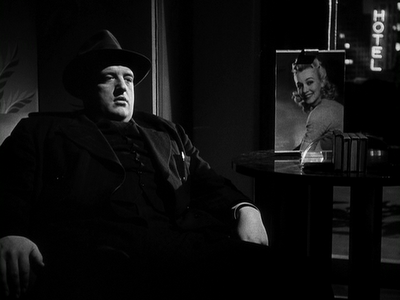
This is Laird Cregar’s movie. Cregar’s hulking and insolent Cornwell dominates every scene that he’s in, and several times he makes us literally jump. Cregar understood how to use his size and looks to intimidate. Cornwell is almost buoyant as he explains to Frankie how he intends to ruin Frankie’s life. But when Cornwell doesn’t know that he’s being watched, he drops his chin and lapses into an open-mouthed stare at Landis. This is a very early and groundbreaking portrayal of a stalker. There are early hints to his unhealthy obsession, but nothing prepares the audience for the revelation of just how unhealthy it turns out to be.
Cregar was an immense acting talent. A closeted gay man and overweight, he was uncomfortable in his own skin. Sadly, aspiring to become a leading man, he died suddenly from damage caused by a quackish, extreme diet. (At the time, no one could foresee Raymond Burr’s path – playing film noir heavies and later becoming a huge star on TV.)
Betty Grable, Carol Landis and Victor Mature in I WAKE UP SCREAMING
In her brief career, Carole Landis was usually cast based on her impressive, top-heavy figure. Here, she brings some nuance to the role of Vicky, for whom there is more going on than apparent. She’s far more than the Eliza Doolittle that Frankie thinks she is. It’s later revealed that she can get what she wants from a slew of men and that she can make a canny and ruthless business deal. She cheerfully cuts Frankie out of his Return On Investment with an “it’s just business” attitude. Landis was only 23 years old when she made I Wake Up Screaming. After four stormy marriages, she committed suicide at age 29 – right after boyfriend Rex Harrison refused to leave his wife for her.
The hunky Mature went on to spend an entire decade shirt-free in sword-and-sandal movies. Of course, Grable would soon become the favorite pin-up girl for the US military in WW II. The most unintentionally funny part of I Wake Up Screaming is when the two decide to top off a date with a late-night swim at a NYC indoor pool. It is easy to visualize the studio brass ordering the poor screenwriters to somehow get Grable and Mature into their swimsuits.
Before getting stuck in beefcake roles like Samson, Horemheb the Egyptian and Demetrius the Gladiator, Mature proved himself to be a pretty fair noir hero, especially in 1947’s Kiss of Death. He’s good here. So is Grable, without any singing or dancing (although she did have a song in a deleted scene on the DVD). Film noir favorite Elisha Cook, Jr. has a role that seems small but juicy, until it becomes pivotal.
Scholars place 1940’s Stranger on the Third Floor as the very first film noir. Released in 1941, I Wake Up Screaming is a very early noir, along with The Maltese Falcon, Johnny Eager, Suspicion, High Sierra and The Shanghai Gesture. Director H. Bruce Humberstone and cinematographer Edward Cronjager did not become giants of noir, or even notable noir artists, but their lighting was impressive. Cregar often lurks in the shadows, and when he doesn’t, we usually see his shadow, often dwarfing another character. Cregar also gets the horizontal shadows of Venetian blinds across his face. At least three times, characters turn on the light to find that another character has slipped into their apartment – yikes!
The exposition in I Wake Up Screaming is pretty muck by-the-numbers. The primary appeals of the film is the proto-noir style, the matter-of-fact sexiness of Landis, the easy-to-root-for pair of Grable and Mature, and the amazing performance of Laird Cregar. Incongruously, the song Somewhere Over the Rainbow keeps showing up in this dark and oft creepy movie. I don’t understand how or why, but it is an effective choice.
I Wake Up Screaming plays occasionally on Turner Classic Movies. The DVD is available with a Netflix subscription, or you can buy it from Amazon. I Wake Up Screaming was featured at the Noir City 2018.
The Noir City film fest, always one of the best Bay Area cinema experiences, is underway in San Francisco this week. Noir City is the annual festival of the Film Noir Foundation, spearheaded by its founder and president Eddie Muller. The Foundation preserves movies from the traditional noir period that would otherwise be lost. Noir City often plays newly restored films and movies not available on DVD or streaming. And we get to watch them in a vintage movie palace (San Francisco’s Castro Theatre) with a thousand other film fans.
Eddie Muller, who you should recognize as host of Turner Classic Movie’s Noir Alley series, has programmed this year’s version as “Film Noir from A to B”. Back in the classic noir period of thw 1940s and early 1950s, filmgoers expected a double feaure – an “A” movie with big stars, followed by a shorter and less expensively-made “B” picture. Each evening of Noir City will feature A and B movies from the same year, starting with 1941 and ending with 1953. Trench coats and fedoras are not required (and no smoking, please), but, other than that, you’ll get the full retro experience in the period-appropriate Castro.
Noir City runs through next Sunday, February 4. To see the this year’s Noir City program and buy tickets, go here.
Many of the films in this year’s program are VERY difficult to find. The Man Who Cheated Himself, Destiny, Jealousy, The Threat and Quiet Please, Murder. The Man Who Cheated Himself has just been restored by the Film Noir Foundation.
My personal favorites on the program:
I Wake Up Screaming (sorry – last Friday night): A very early noir with a stalker theme and a creepy performance by the tragic Laird Cregar.
Shadow of a Doubt(sorry – last night): Set in Santa Rosa back when you could drive through it quickly, the ultra-sympathetic Theresa Wright starts connecting the dots that link her very favorite Cool Uncle (Joesph Cotten) to serial murders.
Roadblock: I love the growly noir icon Charles McGraw as a mean heavie or a relentless copper. Here he plays against type as a super-straight sap turned to the dark side by the dame he falls for.
The Blue Dahlia:The only original screenplay by the master of the hardboiled, Raymong Chandler. Alan Ladd returns from wartime service to find an especially disloyal wife. When she is murdered, the cops suspect him, and the mob is after him, but he does find Veronica Lake. (Digression: Were Ladd and Lake the shortest pair of romantic leads ever?)
To see the this year’s Noir City program and buy tickets, go here. Don’t miss out on Noir City’s bang up final weekend, with The Man Who Cheated Himselfand Roadblock, The Big Heat and wickedly trashy Beverly Michaels in Wicked Woman.